Summer in Central Connecticut brings long, sun-drenched afternoons and a welcome break from freezing winter conditions. However, for property owners throughout Hartford County, this seasonal transition introduces a stealthy, expensive environmental hazard. While the outdoor air may feel warm and pleasant, the summer climate creates a perfect atmospheric recipe for rapid, destructive fungal growth inside your home. When hidden moisture meets a dark, stagnant environment, microscopic spores can anchor and multiply in less than 48 hours.
At Paul Davis Restoration of Central Connecticut, we routinely address advanced structural decay that spikes significantly during July and August. Many homeowners assume that indoor biological growth is exclusively a winter issue driven by plumbing failures or melting snow. The reality is that New England summers introduce unique moisture dynamics that are exceptionally hard on residential structures and can cause the need for mold remediation. Ignoring the early signs of a moisture imbalance can drastically reduce your property value and ruin expensive building materials. If you suspect an active colony, executing a multi-stage plan for professional mold remediation is the only definitive way to protect your investment and restore indoor air quality.
1. The Dynamic New England Summer Humidity Surge
Berlin sits in a geographical pocket that experiences dramatic fluctuations in seasonal humidity. During the summer, warm air columns traveling from the south trap moisture over our local river valleys and hillsides. This creates a thick, heavy outdoor environment where relative humidity regularly climbs past 70 percent. When this hot, wet air filters into your cooler home, it sinks directly into the lowest levels of your property.
Basements, low-clearance crawlspaces, and concrete slabs absorb this moisture like dry sponges. Because historic home styles across the region frequently lack advanced under-floor vapor barriers, ground moisture rises freely into your subflooring assemblies. Without continuous, heavy-duty mechanical ventilation, these subterranean zones hit a moisture saturation point where dormant spores rapidly wake up and begin feeding on structural lumber. Seeking an evaluation from a specialized mold remediation team prevents these natural humidity spikes from permanently destabilizing your floor joists.
2. Air Conditioning Condensation in Historical Architecture
The architectural charm of our local neighborhoods stems from a beautiful inventory of older, historic homes and classic mid-century builds. While these properties feature unmatched craftsmanship, their wall cavities were rarely designed with modern air conditioning systems in mind. When homeowners run window units or newly retrofitted mini-splits to stay comfortable, the interior drywall and structural studs become cold.
When hot, humid exterior air migrates inward through tiny gaps in aged siding or unsealed window frames, it collides with the back of that chilled interior drywall. This thermal contrast instantly creates condensation, leaving microscopic pools of liquid water trapped deep inside your walls. Because this moisture tracking happens completely out of sight, property owners are completely unaware of the crisis until they smell a stubborn, musty scent or notice paint bubbling, indicating that specialized mold remediation services are required to safely open and clear the wall voids.
3. Sudden Monsoon Downpours and Foundation Seepage
Summer weather patterns in New England are notoriously unpredictable, often punctuated by intense, sudden thunderstorms that dump inches of rain in a matter of minutes. When these heavy deluges hit dry, baked summer soil, the ground struggles to absorb the sheer volume of water quickly. Instead of draining away safely, the runoff pools aggressively against stone and brick residential foundations.
Older masonry mortar naturally weakens over time, creating tiny micro-fissures that allow hydrostatic pressure to drive water straight into finished basements and utility rooms. Furthermore, heavy summer foliage easily clogs gutter systems, causing roof runoff to spill over and saturate the earth right next to your foundation walls. When dealing with the aftermath of these intense downpours, scheduling professional water damage extraction immediately is vital to dry out structural components before colonies can establish themselves, eliminating the need for invasive structural alterations and mold remediation later on.
The Costly Mistake of Surface Cleaning with Household Bleach
When homeowners finally spot a dark patch of growth along a baseboard or inside a closet, their immediate instinct is to scrub the area with store-bought bleach. While bleach can successfully clean surface discoloration on non-porous surfaces like tile or porcelain, it is completely ineffective on porous construction elements like drywall and bare wood studs. Fungi grow deep roots into these building fibers, extending far past what is visible to the naked eye.
The chemical makeup of chlorine bleach prevents it from penetrating into these dense materials; only the water content of the liquid solution sinks inward. This water inadvertently supplies the hidden root network of the colony with a fresh supply of moisture, causing the organism to return aggressively within a few days. True mold remediation requires professional-grade antimicrobials and specialized physical abrasion to completely isolate and extract the entire organism from your structural framing.
The Hidden Risk to Personal Belongings and Home Assets
Structural damage is only one side of an environmental moisture crisis; unmanaged colonies quickly compromise your personal possessions. As a fungal colony expands, it continuously sheds millions of microscopic, lightweight spores into the shared indoor atmosphere. These floating particles drift through your home’s air currents and settle deep into soft goods, upholstered furniture, garments, and family documents.
Once spores embed themselves into porous fabrics in a warm, humid room, they begin to break down the materials, creating permanent staining and stubborn, unyielding odors. Ripping out moldy walls yourself without professional mold remediation will violently spread these particles into your central HVAC ductwork, cross-contaminating every room. Utilizing a certified company ensures these items are handled safely, while advanced content restoration techniques can often neutralize embedded odors at a molecular level to save expensive or irreplaceable family heirlooms.
Navigating Homeowners Insurance, Structural Recovery & Mold Remediation
Understanding the financial parameters of property restoration and mold remediation is a critical step for every homeowner dealing with environmental issues. Standard property insurance policies feature very specific constraints regarding biological growth and moisture management. Generally speaking, if the fungal colony developed as a direct, sudden consequence of a covered internal water loss—such as a burst pipe line or a water heater rupture—the costs associated with remediation are typically covered under standard guidelines.
If the growth is determined to be the product of ongoing maintenance neglect, unaddressed humidity, or long-term foundation seepage, insurance providers will often deny the coverage. This makes rapid, documented action vital. When local residents utilize professional mold remediation services, our technicians prepare detailed digital logs, moisture mapping profiles, and clear metadata. This level of professional transparency during mold remediation can significantly assist your insurance adjuster in evaluating the timeline and validity of the loss, helping you navigate the complexities of structural recovery.
Regional Structural Vulnerabilities
Hidden moisture threats and environmental pressures do not stop at town boundaries, and historic architectural risks remain identical across our local transit corridors. Property owners residing in Berlin, CT as well as nearby adjacent communities like New Britain, Newington, and Plainville all face these exact same seasonal humidity traps, older construction style concerns, and basement water intrusion risks. Whether your home is positioned near the town center or nestled closer to the surrounding wooded hills, securing timely mold remediation care ensures a minor moisture issue does not expand into an extensive, budget-breaking project. If advanced structural decay has already ruined your framing, securing professional remodeling services may be required to safely rebuild the support structure back to code.
Summer Property Protection Checklist
To keep your New England property dry, healthy, and structurally sound throughout the warmest months of the year, integrate these maintenance steps into your seasonal routine:
Dehumidify Lower Levels: Keep continuous basement dehumidifiers running, maintaining relative humidity levels strictly below 50%.
Clear Gutter Systems: Clean out spring debris and leaf blockages from your gutters to prevent heavy storm runoff from pooling at your foundation.
Inspect Plumbing Walls: Check utility closets and behind washing machines for any signs of slow plumbing leaks or pipe sweat.
Maintain HVAC Condensate Lines: Verify that your central air conditioning condensation lines are clear and draining safely to the exterior.
Improve Exterior Grading: Ensure garden beds and lawn turf slope away from your foundation walls to naturally redirect heavy rainfall.
Frequently Asked Questions
How can I determine if I need a professional mold inspection?
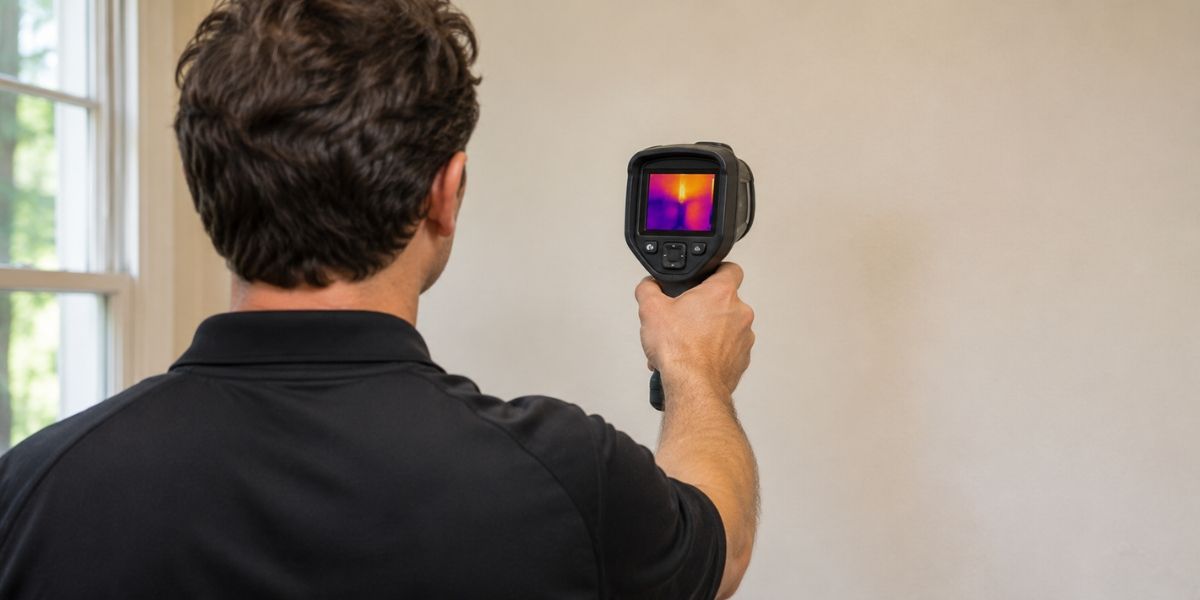
If you smell a persistent, earthy odor but see no visible source, or if your family develops unexplained allergies or sinus irritation inside specific rooms, scheduling a comprehensive mold inspection is highly recommended. Technicians use thermal imaging cameras to locate hidden water trails behind solid plaster without invasive demolition.
Why should I choose a certified company over a standard local handyman?
A certified company follows strict industry standards to ensure structural safety. A traditional handyman typically lacks the commercial containment fields, negative air machines, and specific diagnostic meters required to fully eliminate deep-seated colonies without cross-contaminating your living space. If you are searching online for qualified mold remediation near me after identifying a suspect room, prioritizing a certified squad is your safest path forward.
What is the difference between basic mold removal and full remediation?
Basic cleanup or removal simply focuses on wiping away surface discoloration or discarding loose items. Comprehensive mold remediation services go much deeper; they involve setting up airtight plastic containment zones under negative pressure, locating and repairing the original water failure, filtering the air with commercial HEPA units, and treating the structural framing to guarantee the contamination cannot return.
Is fungal growth inside walls always a dark black color?
No, indoor colonies can present themselves in a wide array of visual appearances, including bright white, pink, yellow, green, and gray. The specific color is simply determined by the species and the type of organic material it is digesting. Regardless of the visual shade, any indoor growth requires professional mold remediation to prevent structural wood rot from permanently weakening your framing support.
Can structural framing be safely salvaged if it has been affected by fungal growth?
Yes, in many instances, solid structural lumber can be safely salvaged if it has retained its underlying density. Certified mold remediation technicians utilize specialized sanding techniques, air-cleaning tools, and commercial-grade antimicrobials during the mold remediation process to completely clean the wood fibers, preventing the need for costly structural reconstruction.
Immediate Local Response for Your Peace of Mind
When hidden moisture patterns or plumbing failures threaten the long-term value of your property, taking a wait-and-see approach only invites more invasive repairs. The team at Paul Davis Restoration of Central Connecticut stands ready to secure your property with rapid, highly specialized environmental cleanup expertise. We understand the specific municipal guidelines, weather pressures, and neighborhood building styles of our local communities, allowing us to deliver efficient, permanent solutions.
Our highly trained, certified mold remediation technicians deploy state-of-the-art diagnostic instruments to isolate hidden water traps, control active spore migration, and return your property to a completely clean, healthy state. Whether you require a detailed property assessment, structural drying after an unexpected leak, or rapid emergency assistance following a storm event, we are fully committed to walking with you through every single step of the restoration process. Our experienced mold remediation professionals are always here to help you protect what matters most.