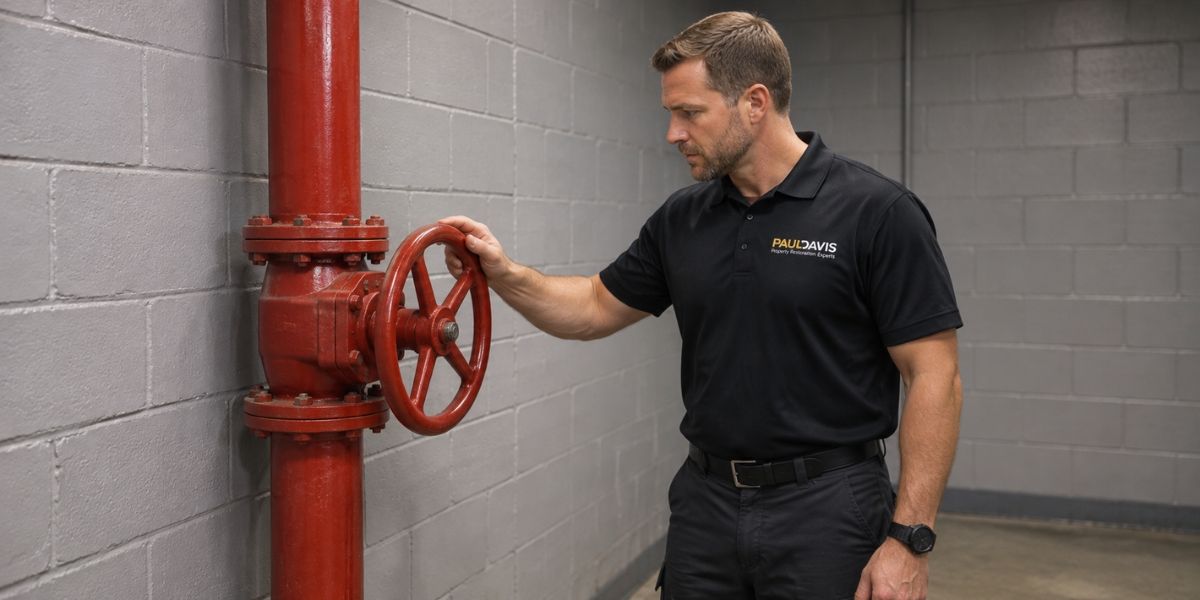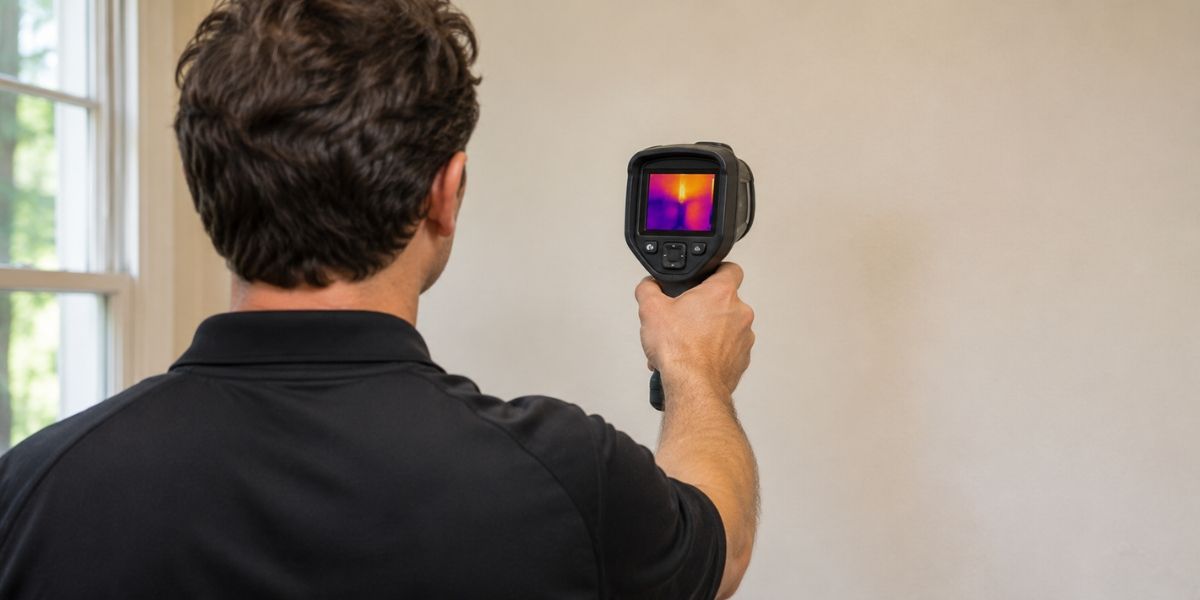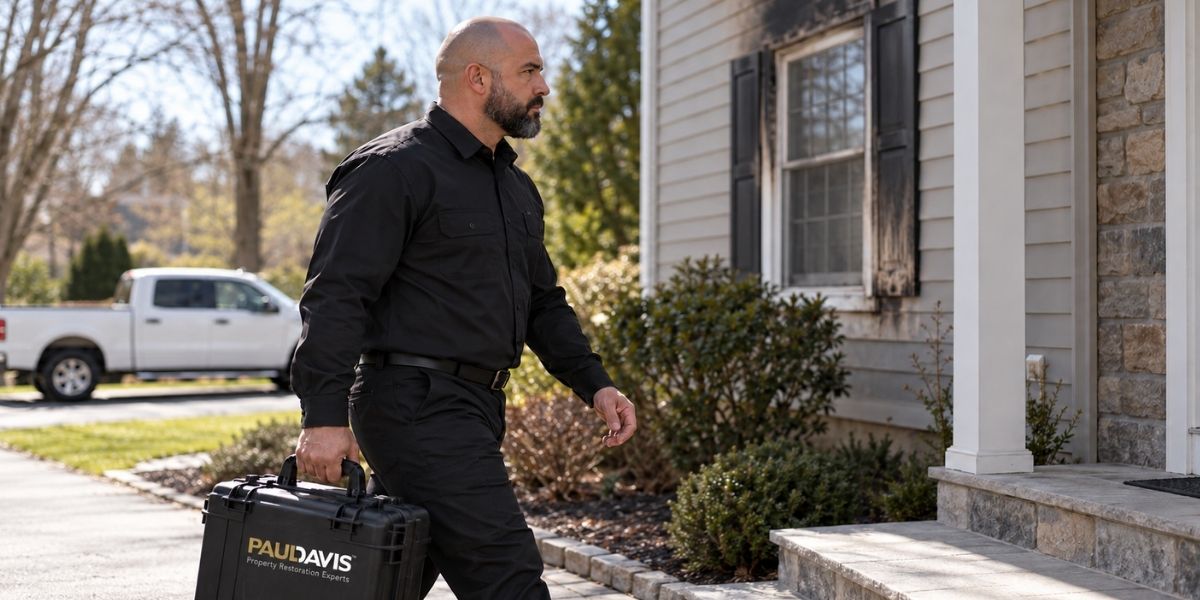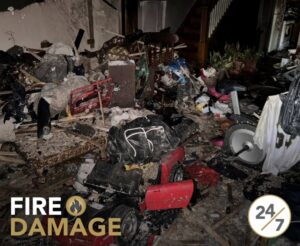
A small fire can leave behind bigger problems than many Glastonbury homeowners expect. Even when flames are contained to a kitchen, fireplace, garage, or electrical panel, smoke can move through wall cavities, ductwork, closets, and unfinished storage areas. That is why hidden smoke damage should be taken seriously before repainting or moving belongings back into place. Paul Davis Restoration of Central Connecticut provides fire damage restoration for homeowners who need emergency response, cleanup, contents support, and guidance during the insurance process. If you have been searching for fire damage restoration near me after a recent fire, the first step is knowing what to look for before damage spreads or becomes harder to document.
Why Hidden Smoke Damage Happens After a Glastonbury Fire
Smoke does not stay in the room where the fire started. Hot air carries soot upward and outward, then pressure changes can pull odor and residue into cooler areas. In Glastonbury, this can be especially important in older homes near Main Street, South Glastonbury, and historic neighborhoods where framing cavities, plaster walls, and attic spaces may give smoke more places to settle.
Paul Davis Restoration of Central Connecticut offers residential fire damage restoration for homeowners dealing with smoke, soot, odor, and related damage after a fire.
Sign 1: Smoke Odor Comes Back After Cleaning or Airing Out
One clear sign of hidden smoke damage is an odor that returns after you open windows, wipe surfaces, or run fans. Smoke odor can cling to drywall, wood trim, curtains, upholstered furniture, carpet padding, clothing, and HVAC components. A room may smell better for a few hours, then the odor comes back when heat, humidity, or sunlight warms affected materials.
Persistent odor often means smoke particles are still trapped somewhere in the home. In Glastonbury houses with finished basements, walk-up attics, attached garages, or additions, odor can travel beyond the obvious burn area. That is when fire damage restoration becomes more than surface cleaning.
Sign 2: Soot Appears in Rooms Away From the Fire
Another warning sign is soot in places that were not directly touched by flames. You may notice gray or black film on ceiling corners, cabinet tops, light fixtures, outlet covers, blinds, baseboards, closet shelves, or inside drawers. Soot can look like dust, but it often smears when touched.
This type of fire damage cleanup should be handled carefully. Dry wiping can grind soot into paint, wood grain, fabrics, and electronics. If soot is visible in multiple rooms, the home may need professional fire damage restoration to determine how far the contamination moved.
Pay close attention to HVAC vents and returns. If the system ran during or soon after the fire, smoke may have circulated through ductwork.
Sign 3: Belongings, Cabinets, or Closed Spaces Smell Smoky
Hidden smoke damage often shows up inside areas homeowners assume were protected. Closets, pantries, kitchen cabinets, vanities, linen storage, and built-in shelving can hold odor because smoke particles can enter gaps around doors and drawers.
This is where contents support matters. Paul Davis provides content restoration for items that may be cleaned, deodorized, packed out, or inventoried depending on the level of damage. Before throwing belongings away, take photos and ask your insurance adjuster what documentation is needed.
In many cases, fire damage repair involves both the structure and the contents inside it. A cabinet may look fine on the outside but hold smoke odor inside unfinished wood. Fire damage restoration can help separate salvageable items from items that may need replacement.
What To Do Before Cleaning Hidden Smoke Damage
Before scrubbing, make sure the home is safe to enter. If officials or your insurance carrier told you to stay out, follow that instruction.
Next, take photos of affected rooms, soot patterns, damaged contents, and areas where smoke odor is strongest. Avoid throwing away items unless they are unsafe to keep or your insurer tells you to dispose of them.
Then call a fire damage restoration team. Paul Davis offers emergency response for urgent property damage situations. Fast documentation and cleanup planning can help reduce confusion when your claim is reviewed. A professional team can also identify secondary issues, such as water damage from firefighting, damaged insulation, compromised drywall, or lingering odor behind finishes.
How Insurance May Handle Smoke Damage
Most homeowners insurance policies treat smoke damage as part of a covered fire loss, but every policy is different. Your adjuster may ask for photos, a contents inventory, repair estimates, cleaning reports, and proof that damaged materials were addressed properly. That is why it is important not to repaint, deep-clean carpets, discard belongings, or start fire damage repair before the loss is documented.
A restoration company can help organize the scope of work and communicate findings in a way that supports the claim process. Ask your adjuster about soot removal, odor removal, HVAC cleaning, content cleaning, temporary housing, and required documentation.
Local Help for Glastonbury and Nearby Communities
Paul Davis Restoration of Central Connecticut serves Glastonbury homeowners who need help after a house fire, smoke event, or related property damage. Nearby support is also available for homeowners needing East Hartford, Wethersfield, and Rocky Hill. Whether the fire happened near the Connecticut River, in South Glastonbury, or closer to Route 2, the goal is the same: identify the full extent of smoke damage before repairs begin.
FAQ
Can smoke damage be hidden if the fire was small?
Yes. Even a small kitchen, fireplace, or appliance fire can send smoke into nearby rooms, closets, ducts, and attic spaces, which is why fire damage restoration may still be needed.
Should I clean soot myself before the adjuster visits?
Document the soot first. Take photos and call your insurer before major cleaning. Soot can smear or stain surfaces if handled incorrectly.
Why does my house still smell smoky after airing it out?
Smoke odor can become trapped in porous materials such as drywall, wood, fabric, carpet padding, insulation, and contents. If the odor returns, professional fire damage cleanup may be needed.
Does fire damage restoration include my belongings?
It can. Depending on the damage, contents may be cleaned, deodorized, packed out, inventoried, or recommended for replacement.
When should I call Paul Davis Restoration of Central Connecticut?
Call as soon as the property is safe and the immediate emergency is under control. Early fire damage restoration helps identify hidden soot, smoke odor, water damage, and repairs before the problem spreads.
Call Paul Davis Restoration of Central Connecticut
If your Glastonbury home has lingering smoke odor, soot in unexpected places, or smoky belongings after a fire, do not wait for the damage to become harder to remove. Paul Davis Restoration of Central Connecticut can inspect affected areas, document the damage, help with fire damage cleanup, and guide the next steps for fire damage repair.
Contact the local team for fire damage restoration in Glastonbury and nearby Central Connecticut communities. Prompt fire damage restoration can protect your home, belongings, and claim documentation.